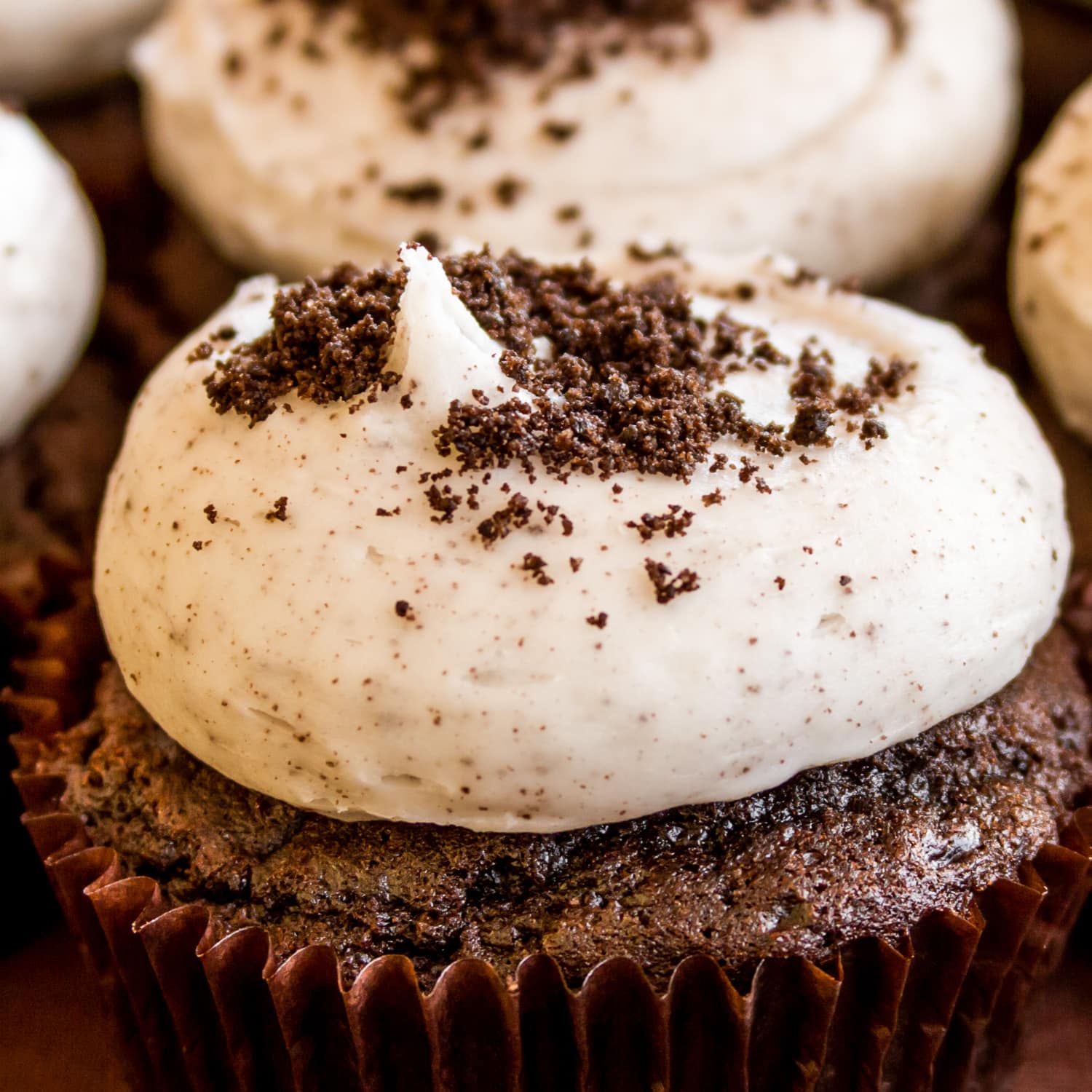
Master Vanilla & Chocolate Buttercream: Your Ultimate Cupcake Icing Guide
There's an undeniable magic in a perfectly frosted cupcake – that fluffy, creamy swirl of sweetness that promises pure delight with every bite. While store-bought options abound, nothing quite compares to the rich, customizable elegance of homemade buttercream icing for cupcakes vanilla and chocolate. This guide will walk you through mastering both classic flavors, transforming your ordinary baking into extraordinary treats that are sure to impress.
Whether you're a seasoned baker or just starting your journey into the world of confectionery, crafting your own vanilla and chocolate buttercream is simpler than you might think. With just a handful of quality ingredients and a few key techniques, you'll unlock the secret to luxurious, velvety frosting that elevates any cupcake from simple to sublime. Forget bland, overly sweet frostings; prepare to create irresistible swirls that are as beautiful to look at as they are delicious to devour.
The Foundation of Fluffy Frosting: Understanding Your Ingredients
The secret to exceptional buttercream lies in its core ingredients and how they interact. Understanding their roles is the first step to mastering this versatile frosting. Both our vanilla and chocolate versions share a common base, ensuring a consistent, creamy texture that's perfect for piping and spreading.
Essential Ingredients for Vanilla Buttercream:
- 1 cup (2 sticks) unsalted butter, softened: This is the backbone of your buttercream. Using unsalted butter allows you to control the salt content. Ensuring it's softened (but not melted) is crucial for achieving a light, airy texture when beaten.
- 4 cups powdered sugar, sifted: Also known as confectioners' sugar, this fine sugar dissolves easily, preventing a gritty texture. Sifting is non-negotiable to remove any lumps and ensure a super smooth finish.
- 2 teaspoons pure vanilla extract: The star flavor for your vanilla buttercream. Opt for pure vanilla extract for the best, most authentic taste. Vanilla bean paste can also be an excellent choice for visible vanilla flecks and an even richer flavor.
- 2-3 tablespoons heavy cream or milk: This liquid thins the frosting to your desired consistency and adds to its creamy mouthfeel. Heavy cream will result in a richer, slightly thicker frosting, while milk provides a lighter option.
- Pinch of salt: A tiny bit of salt balances the sweetness and enhances all the other flavors, preventing the frosting from tasting flat.
Essential Ingredients for Chocolate Buttercream:
- 1 cup (2 sticks) unsalted butter, softened: Same as with vanilla, softened butter is key for proper aeration.
- 3½ cups powdered sugar, sifted: Slightly less sugar than the vanilla version, as cocoa powder also adds bulk and a touch of bitterness that balances sweetness.
- ½ cup unsweetened cocoa powder, sifted: This is where the rich chocolate flavor comes from. Sifting is vital here to break up any cocoa lumps, which can be stubborn. You can use natural unsweetened cocoa for a classic chocolate flavor, or Dutch-processed cocoa for a darker, milder chocolate taste.
- 2 teaspoons pure vanilla extract: Even in chocolate buttercream, vanilla plays a crucial role, enhancing the chocolate notes and adding depth of flavor.
- 3-4 tablespoons heavy cream or milk: You might need a little more liquid for chocolate buttercream due to the added dry ingredient (cocoa powder).
- Pinch of salt: Essential for balancing the sweetness and deepening the chocolate flavor.
Mastering the Method: Crafting Your Perfect Buttercream Icing
The process for creating both vanilla and chocolate buttercream is remarkably similar, relying on the same foundational techniques to achieve that coveted light and fluffy texture. Following these steps will ensure your buttercream icing for cupcakes vanilla and chocolate turns out perfectly every time.
Directions for Vanilla Buttercream:
- Beat the Butter: In a large mixing bowl, using either a stand mixer fitted with the paddle attachment or a hand mixer, beat the softened butter on medium speed for 2-3 minutes. This crucial step incorporates air, making the butter light, pale, and incredibly creamy. Scrape down the sides of the bowl periodically to ensure even mixing.
- Gradually Add Powdered Sugar: With the mixer on low speed, begin adding the sifted powdered sugar, one cup at a time. Mix thoroughly after each addition until no streaks of sugar remain. Adding it gradually prevents a sugar cloud and ensures it's fully incorporated, leading to a smooth frosting.
- Flavor and Adjust Consistency: Once all the sugar is incorporated, add the pure vanilla extract, 2 tablespoons of heavy cream (or milk), and a pinch of salt. Increase the mixer speed to medium-high and beat for another 2-3 minutes until the buttercream is noticeably smooth, fluffy, and light. If the frosting seems too stiff, add the remaining tablespoon of cream, one teaspoon at a time, until you reach your desired piping or spreading consistency. Conversely, if it's too thin, add another tablespoon or two of sifted powdered sugar.
- Frost or Store: Your vanilla buttercream is now ready to use! Pipe it onto your cooled cupcakes immediately for the fluffiest finish. If you need to store it, transfer it to an airtight container and refrigerate for up to a week. Remember to bring it back to room temperature and re-whip it for a few minutes before use to restore its smooth, airy texture.
Directions for Chocolate Buttercream:
- Beat the Butter: Just as with the vanilla version, begin by beating the softened butter in a large bowl for 2-3 minutes until it's light, pale, and creamy. This sets the stage for a wonderfully aerated frosting.
- Combine Dry Ingredients: With the mixer on low speed, gradually add the sifted powdered sugar and sifted cocoa powder, alternating between the two. Mix thoroughly after each addition, scraping down the sides of the bowl as needed. This alternating method helps to prevent lumps and ensures the cocoa is evenly distributed.
- Flavor and Adjust Consistency: Once the dry ingredients are fully incorporated, add the pure vanilla extract, 3 tablespoons of heavy cream (or milk), and a pinch of salt. Beat on medium speed for 2-3 minutes until the frosting is smooth, fluffy, and a uniform chocolate color. If the buttercream is too thick, add the remaining tablespoon of cream, one teaspoon at a time, until it reaches your desired consistency. If it's too thin, a tablespoon of sifted powdered sugar can thicken it.
- Frost or Store: Your rich chocolate buttercream is now ready for use. Frost your cupcakes immediately, or store it in an airtight container in the refrigerator for up to a week. Like the vanilla version, it will need to come to room temperature and be re-whipped before piping after refrigeration.
For a quick overview and another fantastic take on this versatile recipe, check out our guide on Easy Vanilla & Chocolate Buttercream: Perfect Cupcake Icing.
Elevating Your Cupcake Creations: Tips for Frosting & Serving
Once you've mastered the art of making delicious buttercream icing for cupcakes vanilla and chocolate, the next step is to present them beautifully. These serving and decorating tips will help you achieve professional-looking results every time.
The Importance of Temperature:
- Room Temperature is Key: Buttercream icing performs best at room temperature. The butter is soft enough to be spreadable and pipeable, giving you the smoothest, most luxurious finish. If your buttercream has been refrigerated, allow it to sit out for at least 30 minutes (or longer, depending on room temperature) until it's soft enough to work with, then re-whip it briefly to restore its texture.
- Cooled Cupcakes: Always ensure your cupcakes are completely cool before frosting. Applying buttercream to warm cupcakes will cause it to melt, resulting in a messy, sliding frosting.
Decorate with Style:
- Piping Bag Perfection: For those stunning bakery-style swirls, invest in a piping bag and a few basic nozzles. A large star tip (like Wilton 1M or 2D) is excellent for classic swirls and rosettes. A round tip can create smooth domes or simple dots. Don't be afraid to experiment with different tips to find your favorite looks!
- Creative Toppings: Once frosted, your cupcakes are a canvas for creativity. Add a sprinkle of edible glitter, colorful sprinkles, chocolate shavings, fresh fruit, or even a tiny candy decoration to complement your buttercream and theme.
- Flavor Pairings: While perfect for vanilla and chocolate cupcakes, this versatile buttercream extends its deliciousness to other treats. Use it to frost carrot cake, red velvet cake, sugar cookies, brownies, or as a decadent filling for sandwich cookies and macarons. The possibilities are endless!
Whether you're making a batch of cupcakes or a show-stopping cake, you'll find more inspiration and variations in our article on Fluffy Vanilla & Chocolate Buttercream for Cupcakes & Cakes.
Storage & Troubleshooting Your Buttercream Masterpiece
Even the most perfectly crafted buttercream sometimes needs a little attention or a place to rest. Knowing how to store and troubleshoot your frosting will ensure you're always prepared.
Smart Storage Solutions:
- Refrigeration: If you have leftover buttercream or need to make it ahead, store it in an airtight container in the refrigerator for up to one week. When ready to use, bring it to room temperature (this can take 30-60 minutes, depending on the volume) and then re-whip it on medium speed for a few minutes until it's light and fluffy again. This re-whipping step is crucial to restore its smooth, airy consistency.
- Freezing for Longer: For longer storage, buttercream can be frozen in an airtight container for up to one month. Thaw it in the refrigerator overnight, then bring it to room temperature and re-whip thoroughly before use.
Common Troubleshooting Tips:
- Buttercream is Too Thin: If your frosting is too runny, it likely needs more powdered sugar. Add it gradually, 1/4 cup at a time, while mixing on low speed until the desired consistency is reached.
- Buttercream is Too Thick: If your frosting is too stiff, add more heavy cream (or milk) sparingly, 1 teaspoon at a time, until it loosens up.
- Gritty Texture: A gritty frosting often means the powdered sugar wasn't sifted properly or wasn't fully incorporated. Continue beating for a few more minutes; sometimes, prolonged mixing can help dissolve any remaining sugar crystals. Ensure your ingredients are at room temperature.
- Curdled or Separated Buttercream: This usually happens if the butter was too cold or too warm when you started, or if the liquid added was too cold. Don't despair! Sometimes, a gentle warming (placing the bowl over a pot of simmering water for 30 seconds, then re-whipping) or adding a tablespoon of powdered sugar can bring it back together.
- Too Buttery Taste: If the buttercream tastes too much like plain butter, it might need more sugar, vanilla, or cocoa powder to balance the flavor. Add a tablespoon or two more of your chosen flavoring and whip again.
Mastering homemade buttercream icing for cupcakes vanilla and chocolate opens up a world of delightful possibilities in your kitchen. From the simple joy of a classic vanilla swirl to the indulgence of a rich chocolate dollop, these recipes provide a perfect, fluffy, and flavorful foundation for all your cupcake decorating needs. With quality ingredients, a keen eye on technique, and these helpful tips, you’re now equipped to create bakery-quality treats that will bring smiles to every occasion. So go ahead, grab your mixer, and let your culinary creativity shine!
